Before the First Brick: What Goes Into a Property Development?
Every property development begins long before construction. But what does it really take to turn a piece of land into a thriving residential or commercial development?
In Malaysia, property development is a complex process involving land identification, market research, financial planning, regulatory approvals and infrastructure considerations. What eventually becomes a township, residential neighbourhood or commercial centre begins with a series of carefully evaluated decisions.
Let’s take a closer look at what happens behind the scenes.
1. It All Begins with the Land
Before any architectural drawings are prepared, developers must first identify a suitable piece of land.
Location is important, but it is only one part of the equation. Developers must assess the land’s accessibility, surrounding infrastructure, topography, existing amenities and potential for future development.
Land ownership, title conditions, zoning restrictions and permitted land use must also be examined.
A strategically located parcel may appear attractive, but its suitability ultimately depends on whether it can support the intended development, both physically and legally.
2. Understanding What the Market Needs
Once a potential site has been identified, the next question is: What should we build here?
This is where market research becomes essential.
Developers study the surrounding population, household demographics, purchasing power, existing property supply and prevailing market demand.
Would the location benefit from affordable housing, landed residential properties, high-rise apartments, commercial premises or an integrated development?
Understanding the needs of prospective buyers and the surrounding community helps determine the type, scale and positioning of a project.
After all, a successful development must respond to genuine market needs rather than simply introduce more properties into an already competitive market.
3. Assessing Financial Feasibility
A promising location and a good development concept do not automatically translate into a financially viable project.
Developers must undertake detailed feasibility studies to determine whether the proposed development makes commercial sense.
These assessments typically consider:
- Land acquisition costs
- Site preparation and infrastructure expenditure
- Construction and professional consultancy costs
- Regulatory and statutory charges
- Financing costs
- Projected selling prices and anticipated revenue
- Development timelines and potential financial risks
The objective is to establish whether the project can be delivered within a realistic budget while remaining commercially sustainable.
4. Planning the Development
With the initial assessments completed, the proposed development begins to take shape.
Urban planners, architects, engineers and other professional consultants work together to develop a suitable master plan.
This involves determining building layouts, density, road networks, drainage systems, utilities, green spaces and community facilities.
For larger township developments, planning becomes particularly important because residential, commercial and public spaces must function together as part of a connected environment.
Good planning considers not only the buildings themselves but also how people will move, live, work and interact within the development.
5. Navigating Regulatory Requirements
Property development in Malaysia operates within an established regulatory framework.
Depending on the location and nature of the project, developers must obtain the necessary approvals from the relevant authorities.
These may include land conversion or variation of land conditions, planning permission, building plan approvals and infrastructure-related approvals.
Local authorities, land offices, technical agencies and other relevant government bodies play important roles throughout this process.
Environmental assessments may also be required for developments that fall within prescribed categories.
These procedures help ensure that developments comply with applicable planning, safety, environmental and infrastructure requirements.
6. Building the Infrastructure
One of the most significant considerations in property development is infrastructure.
Before buildings can be occupied, essential services must be adequately planned and provided.
These include roads, drainage, water supply, electricity, sewerage systems and telecommunications infrastructure.
For township developments, infrastructure planning can extend beyond individual buildings to include access roads, public amenities and connections to surrounding neighbourhoods.
The quality of this infrastructure influences not only the functionality of the development but also the everyday experience of its future occupants.
7. From Development Concept to Construction
Once the required approvals, financing arrangements and detailed plans are in place, the project can progress towards construction.
Contractors are appointed, construction schedules are established and project management teams oversee implementation.
Throughout construction, developers must coordinate numerous parties while monitoring costs, workmanship, safety standards and delivery timelines.
The process requires continuous supervision to ensure that the completed development meets approved plans and applicable requirements.
8. Beyond Construction: Creating Sustainable Communities
A property development does not exist in isolation.
Its long-term relevance depends on how well it serves the people who live, work or conduct business there.
Accessibility, maintenance, community facilities, commercial activity and the surrounding environment all contribute to the development’s continued functionality.
For larger residential developments and townships, these considerations become increasingly important as communities grow and their needs evolve.
Ultimately, the value of thoughtful property development extends beyond the physical structures.
It lies in creating environments that remain practical, accessible and relevant over time.
The Bigger Picture
The journey from identifying a piece of land to delivering a completed property involves far more than construction.
It requires research, planning, financial discipline, regulatory compliance and coordination across multiple professional disciplines.
Every completed development represents years of decisions, assessments and preparation that are rarely visible to the public.
Because before a single brick is laid, the real work of property development has already begun.
#PropertyDevelopment #MalaysianRealEstate #UrbanPlanning #TownshipDevelopment #PropertyIndustry
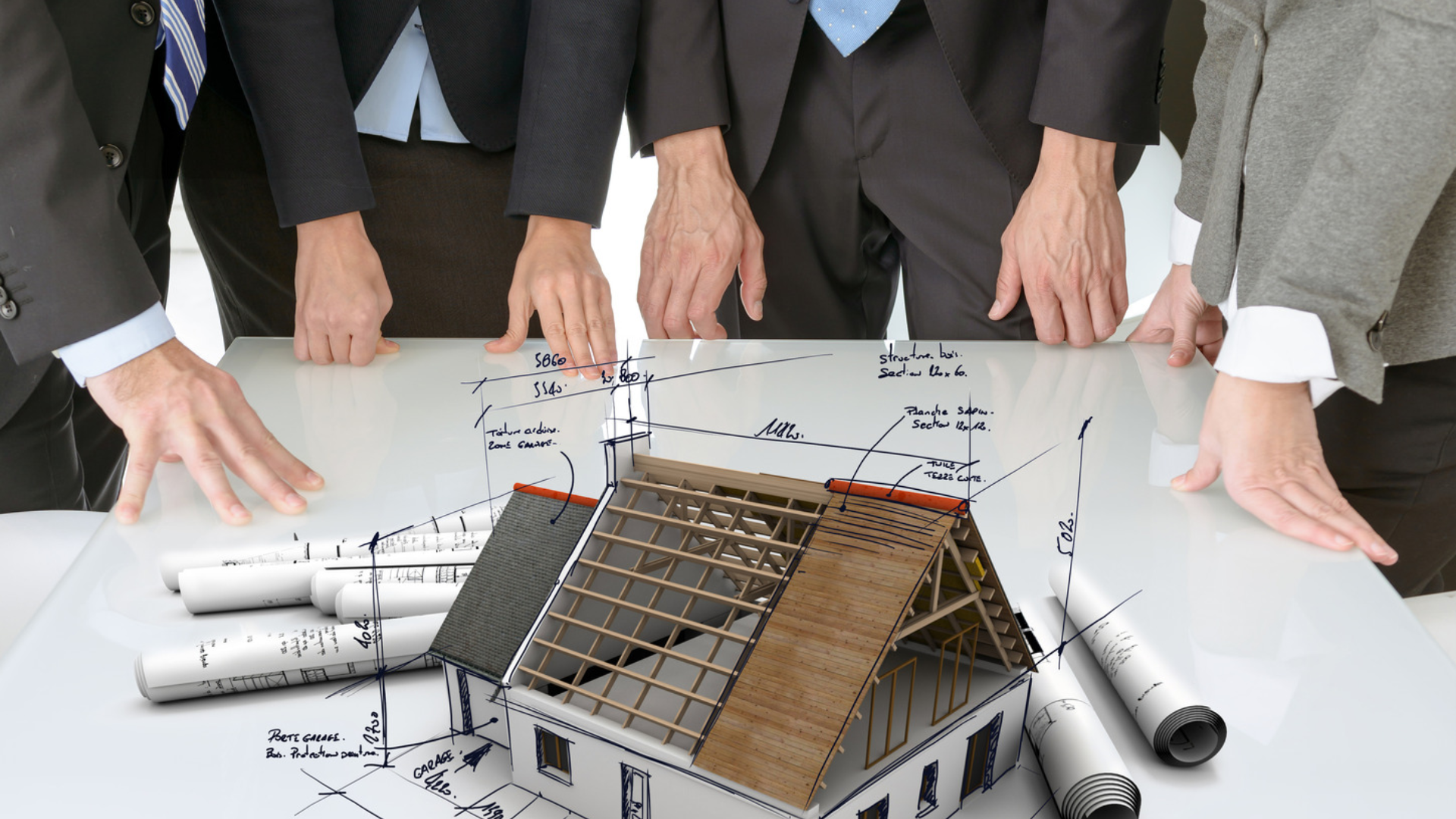
Before the First Brick: What Goes Into a Property Development?